

Sustainable Materials and Production Methods in Fashion



The fashion industry has long been criticized for its environmental impact, from excessive water consumption to pollution and unethical labor practices. However, the shift toward sustainability is gaining momentum, with many brands embracing eco-friendly materials and responsible production methods. By prioritizing sustainable fabrics and ethical manufacturing, the industry can reduce its negative impact and move towards a greener future.
Eco-Friendly Fabrics: A Step Towards Sustainability
One of the key aspects of sustainable fashion is the use of environmentally friendly materials. Unlike conventional fabrics that require large amounts of water, pesticides, and synthetic chemicals, sustainable fabrics minimize environmental harm. Some of the most widely used eco-friendly fabrics include:
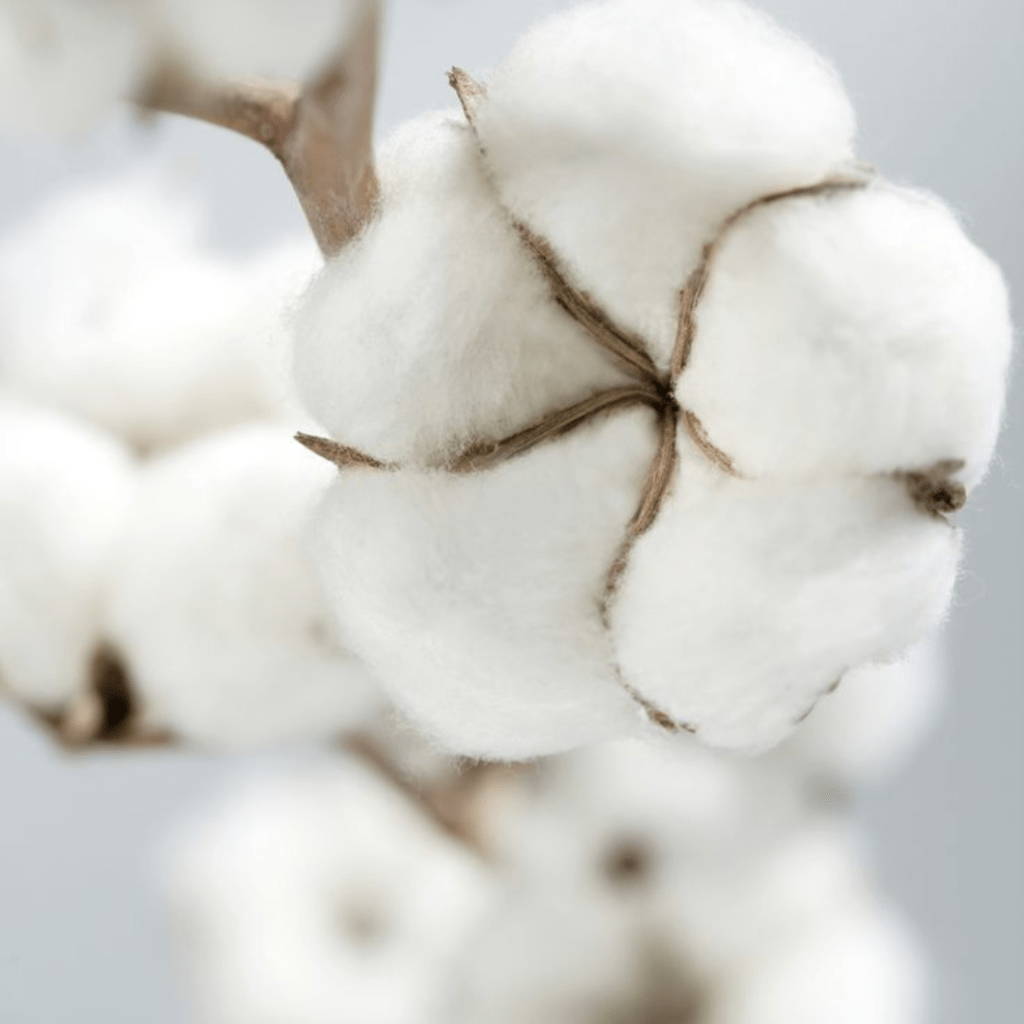
Organic Cotton – Unlike conventional cotton, organic cotton is grown without harmful pesticides and requires significantly less water. It reduces soil degradation and protects farmers from exposure to toxic chemicals.
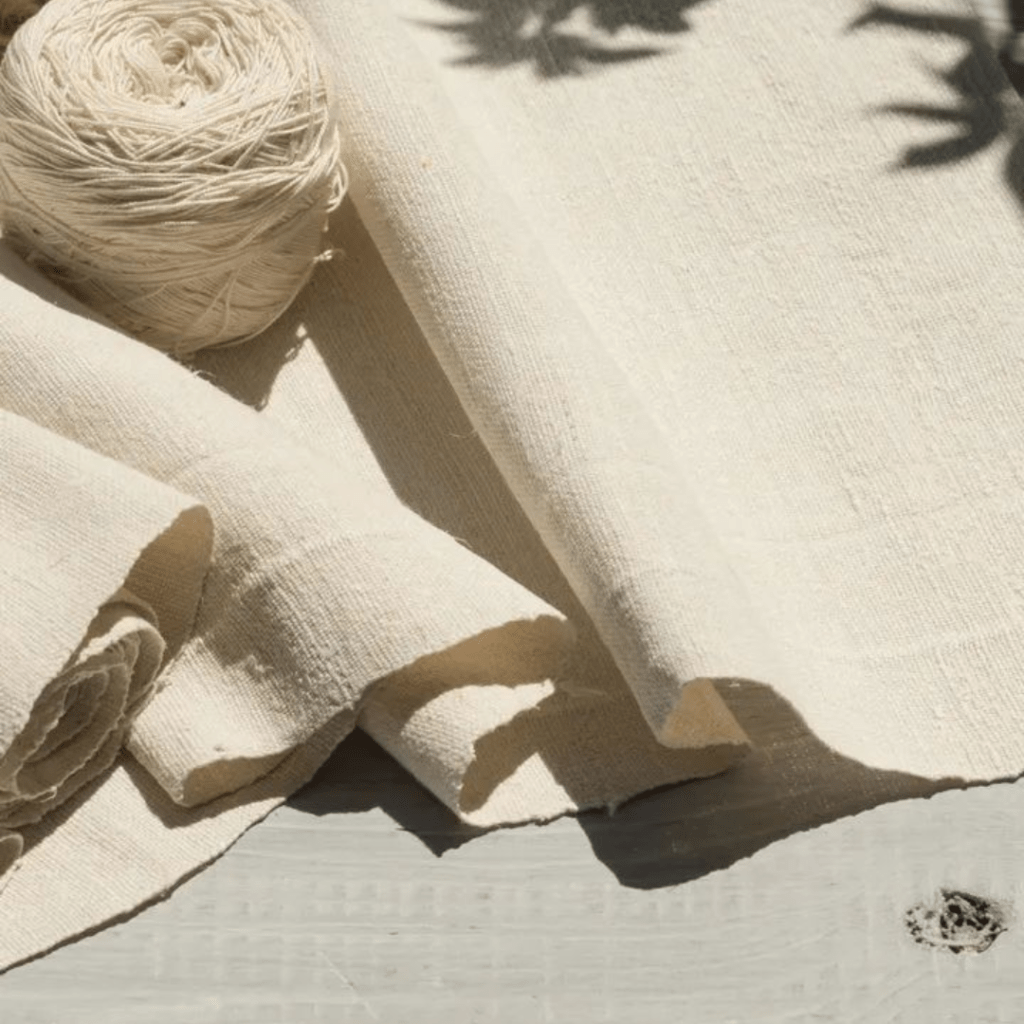
Hemp – Known for its durability and low environmental impact, hemp grows quickly and requires little water or pesticides. Additionally, it naturally enriches the soil, making it a highly sustainable choice for textiles.
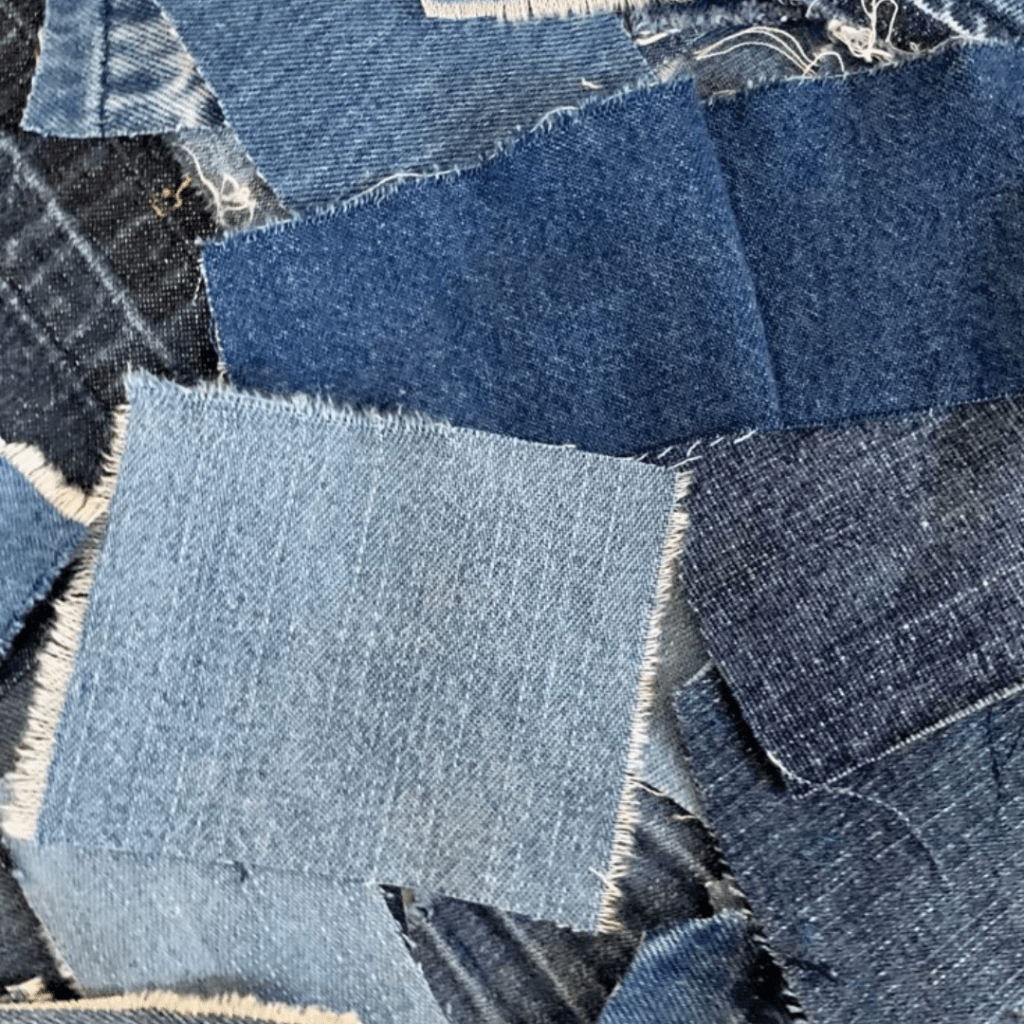
Recycled Fabrics – Materials like recycled polyester and upcycled textiles help reduce waste by repurposing existing materials instead of creating new ones. These fabrics lower the demand for virgin resources and keep plastic waste out of landfills and oceans.
Responsible Manufacturing Techniques
Beyond using sustainable materials, ethical production methods play a crucial role in making fashion more environmentally friendly. The following approaches contribute to reducing waste, energy consumption, and exploitative labor practices:
Zero-Waste Design – This technique involves designing garments in a way that minimizes fabric waste. By using pattern-making strategies that optimize fabric use, designers can significantly reduce textile waste that would otherwise end up in landfills.
Ethical Labor Practices – Sustainable fashion is not only about the environment but also about fair treatment of workers. Ethical brands ensure fair wages, safe working conditions, and respect for workers’ rights, creating a more humane and responsible fashion industry.
Eco-Conscious Manufacturing – Many brands are adopting energy-efficient production processes, using renewable energy sources, and reducing water consumption. Sustainable dyeing techniques, such as plant-based dyes or waterless dyeing, also help reduce pollution.


Innovations in Sustainable Fashion
As technology advances, new innovations are making fashion even more sustainable. Some emerging trends include:
Biodegradable Textiles – Materials such as Tencel, made from sustainably sourced wood pulp, and bio-fabricated leather alternatives help reduce long-term waste by naturally breaking down after use.
3D Knitting Technology – This cutting-edge manufacturing technique allows garments to be produced with minimal waste, as it only uses the exact amount of fabric needed for each piece.
Clothing Rental and Resale – Encouraging circular fashion, rental and pre-loved platforms such as therealluxury.com, extend the lifespan of garments and reduce the need for new production.
The fashion industry’s shift toward sustainability relies on both innovative materials and responsible production methods. By embracing organic cotton, hemp, recycled fabrics, and ethical labor practices, brands can make a significant impact in reducing environmental damage. As consumers become more aware of the importance of sustainability, the demand for eco-friendly fashion will continue to grow, pushing the industry towards a more responsible and sustainable future.